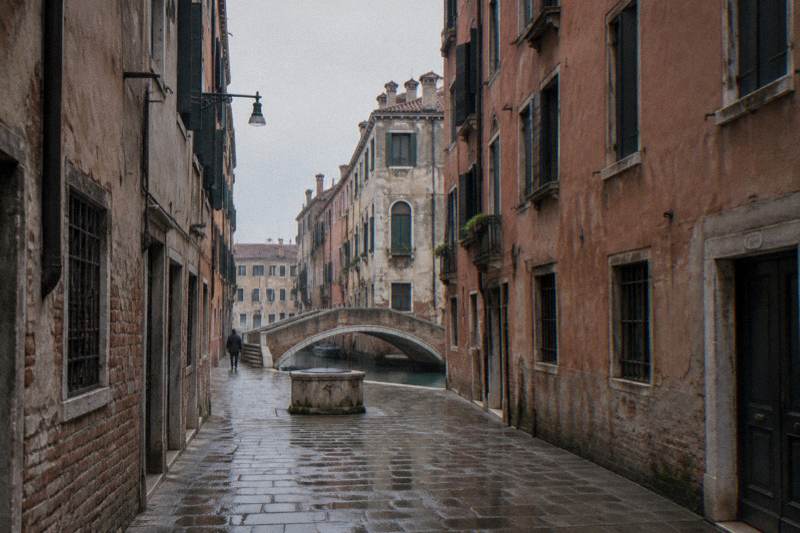
Jewish Ghetto Venice: History, Free Sights And How To Visit
The Jewish Ghetto of Venice occupies a quiet corner of Cannaregio, a few streets back from the Grand Canal and a world away from the crowds around Rialto. Its campi are free to wander at any hour, and one of the city's small-group free walking tours meets within a few minutes' walk of its gates.
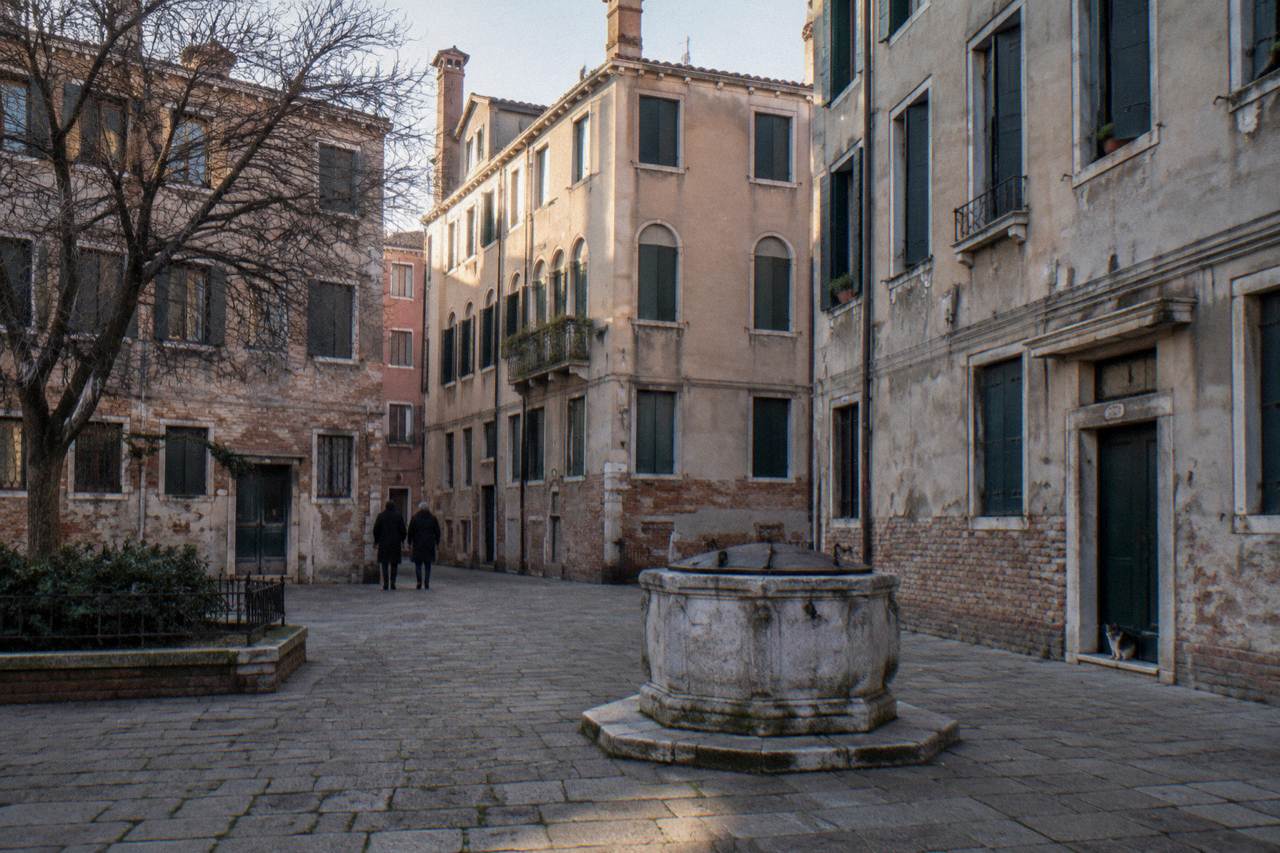
Short answer
The streets, squares and bridges of the Venice Jewish Ghetto are free to enter at any time; no ticket, tour or access fee applies to simply walking through. The Jewish Museum and the synagogue visits are paid, with prices set by the museum itself. The nearest vaporetto stops are served by standard ACTV tickets, EUR 9.50 for a 75-minute single.
The Jewish Ghetto of Venice lies in the north-west of Cannaregio, where the city gives way to quiet canals, low bridges and neighbourhood bakeries. It is one of the few parts of Venice where the buildings tell their story through their own shape: tall, cramped blocks rising above small campi, built upward because the ground available was so limited. The quarter's streets and squares cost nothing to enter, which makes it one of the most rewarding free visits in a city where headline attractions carry headline prices. This guide covers what is genuinely free here, what is paid, how to reach the area by vaporetto, and the free walking tours whose meeting points sit on its doorstep.
What Is The Jewish Ghetto In Venice?
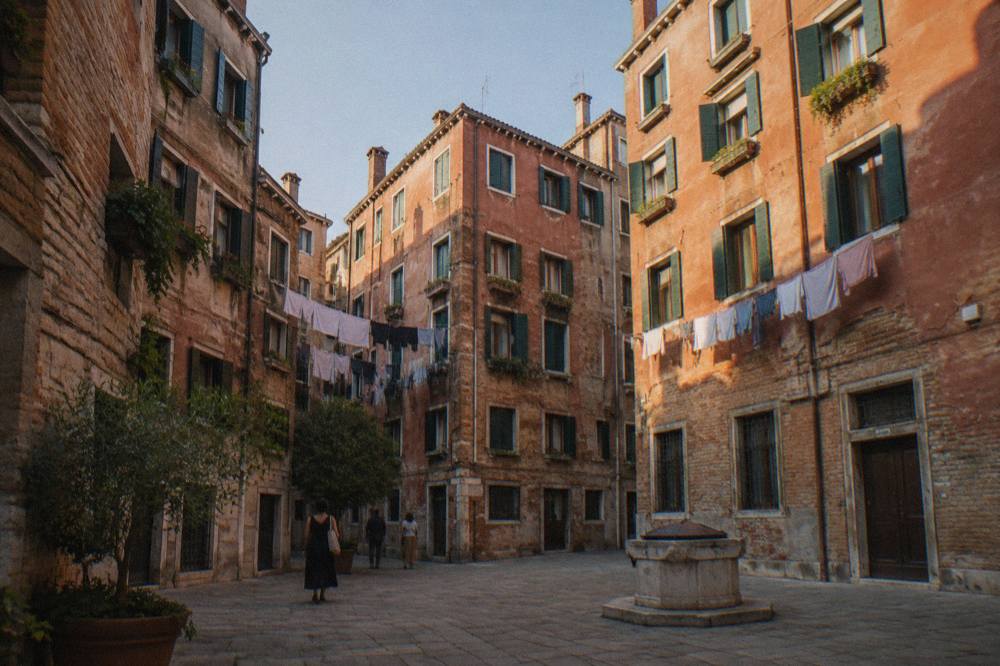
The Jewish Ghetto is Venice's historic Jewish quarter, set on islands in the north of the Cannaregio district and linked by short bridges, and it is the part of the city where the word "ghetto" itself originated before spreading into use worldwide. Its defining features are the enclosed Campo di Ghetto Nuovo, the surrounding tall buildings, and a cluster of historic synagogues, several of which are tucked into the upper floors of the blocks around the square.
The quarter grew up around a foundry island, and the name stuck: the old Venetian word for the casting works passed into general use for any area where a community was required to live. Space was tight, so the buildings climbed instead of spreading, and the synagogues were placed inside the top floors of ordinary-looking houses rather than standing as separate monuments. That is why the ghetto rewards slow looking. From the campo you can spot the small domes and lanterns of the places of worship rising above the roofline, and the walls carry memorial plaques marking the deportation of the quarter's residents during the Second World War.
The atmosphere today is residential and calm. The campo holds a bookshop and a kosher bakery rather than souvenir stalls, and the surrounding calli lead off towards the Canale di Cannaregio, where the water traffic is mostly locals and delivery boats. For a visitor building an itinerary from our wider things to do in Venice guide, the ghetto pairs naturally with a morning walk along the Cannaregio canal, since both sit on the same side of the city and neither costs anything to explore on foot.
Is The Venice Jewish Ghetto Free To Enter?
Yes, the streets, squares and bridges of the Jewish Ghetto are free to enter and open at all hours, exactly like any other public street in Venice. There is no gate, no ticket office for the outdoor area and no charge to stand in Campo di Ghetto Nuovo. The paid part of the quarter is indoors: the Jewish Museum and the guided synagogue visits it organises.
That split, free streets with paid interiors, is worth stating plainly because search results often blur it. Nothing stops you from walking the entire quarter, photographing the campo, reading the memorial plaques and crossing every bridge without spending a cent. The museum is a separate decision, and its price is not a figure this site can responsibly print, so check the museum's own information when you arrive or before you travel. The distinction matters for budgeting: on a strictly free day, the ghetto delivers hours of interest for zero euros.
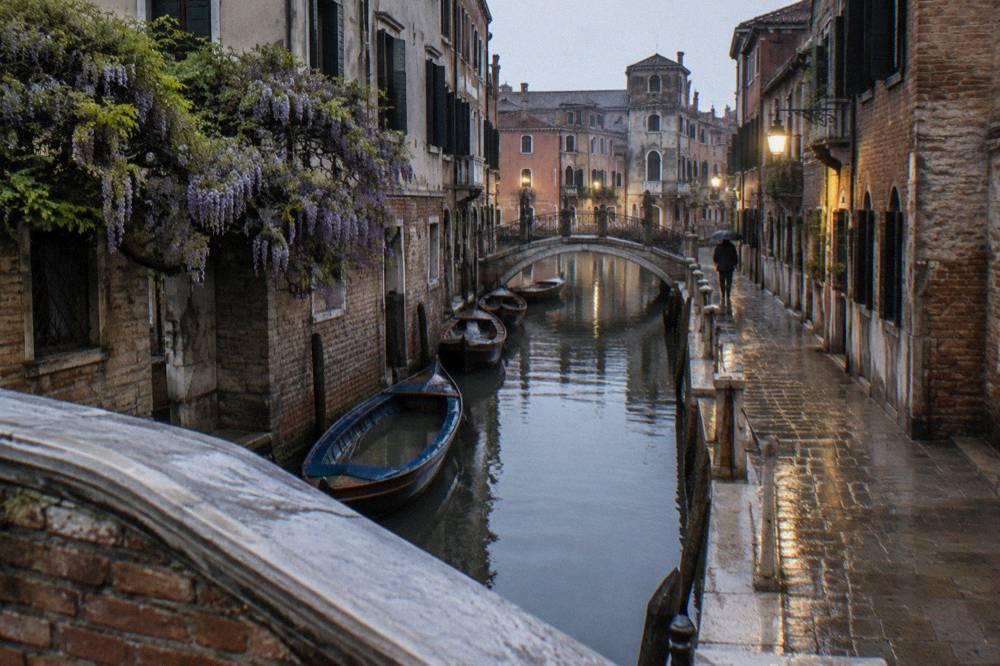
The same logic applies to getting there. Walking costs nothing beyond comfortable shoes, and the vaporetto fares are covered later in this guide. There is also no entry fee for the district of Cannaregio itself, no historic-quarter levy, and, outside the access-fee trial days described below, no charge simply for being in Venice's historic centre. The table below separates what costs nothing from what does, so you can decide where your money goes.
| Part of the ghetto visit | Cost | Notes |
|---|---|---|
| Campo di Ghetto Nuovo and surrounding streets | Free | Open public space, no ticket |
| Memorial plaques and exterior of the synagogues | Free | Visible from the campo and surrounding calli |
| Bridges and canalside walk in Cannaregio | Free | Public walkways |
| Jewish Museum | Paid | Price set by the museum; check its own information |
| Guided synagogue visits | Paid | Organised through the museum |
| Vaporetto ride to the area | Paid | Standard ACTV fares, listed later in this guide |
If you would rather have a guide's commentary woven through the visit, the free, pay-what-you-want walking tours are the middle path: no fixed price, and the ghetto's own walk is small-group by design.
What Can You See For Free In The Ghetto?
The free sights of the Venice Jewish Ghetto are Campo di Ghetto Nuovo itself, the exterior of the historic synagogues with their rooftop domes and lanterns, the memorial plaques on the campo walls, the surrounding calli of the Ghetto Vecchio, and the canalside walk along the Canale di Cannaregio. All of these are public space, visible at any hour and entirely free.
Campo di Ghetto Nuovo is the heart of the visit. It is a surprisingly quiet square given how central Cannaregio is, enclosed on all sides by the tall blocks that define the quarter, with trees at its centre and benches where neighbourhood residents sit. Look up as you circle the square: the small cupolas and attic windows of the synagogues break the roofline at several points, and from ground level their presence is the most striking piece of architecture in the quarter. The walls of the buildings carry bronze memorial plaques, including those recording the deportation of the quarter's residents in the Second World War, which many visitors find the most affecting part of the walk.
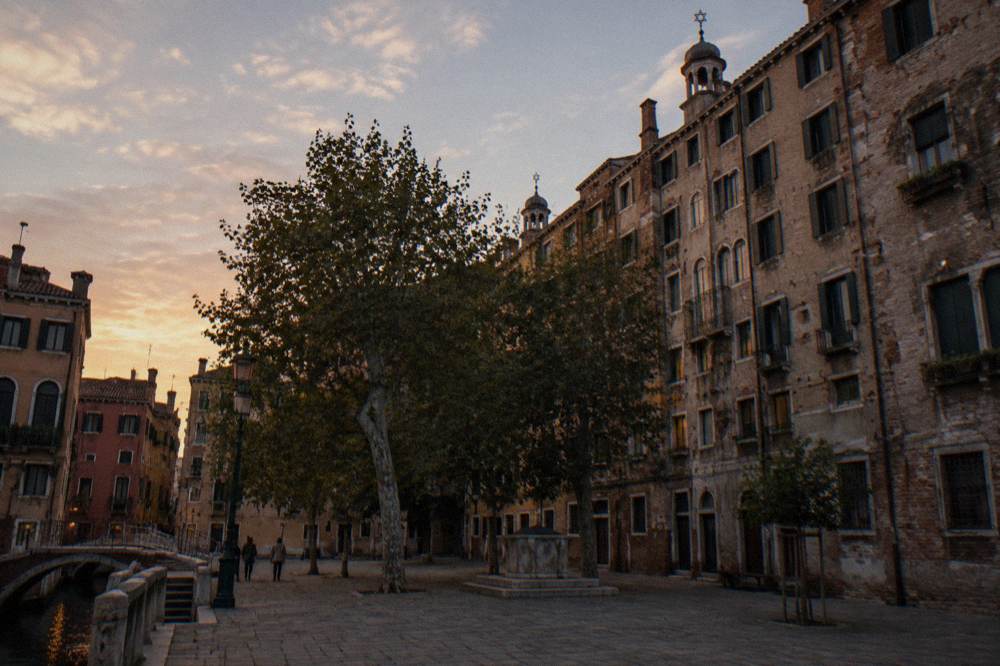
From the campo, the streets of the Ghetto Vecchio lead south towards the Cannaregio canal, a stretch of water with a canalside path that is one of the pleasantest free walks in the district. The bridges here are small and rarely crowded, and the route connects naturally towards the Rialto side of the city if you keep following the water. There is no route map required and no order to follow; the quarter is compact enough that twenty minutes of wandering covers most of it, and an unhurried hour is better.
| Free sight | Where it is | What to look for |
|---|---|---|
| Campo di Ghetto Nuovo | Heart of the quarter | Enclosed square, trees, tall blocks |
| Synagogue exteriors | Rooftops around the campo | Small domes and lantern windows |
| Memorial plaques | Campo walls | Bronze plates recording the wartime deportation |
| Ghetto Vecchio streets | South of the campo | Narrow calli and small bridges |
| Canale di Cannaregio path | Edge of the district | Canalside walk towards the railway station |
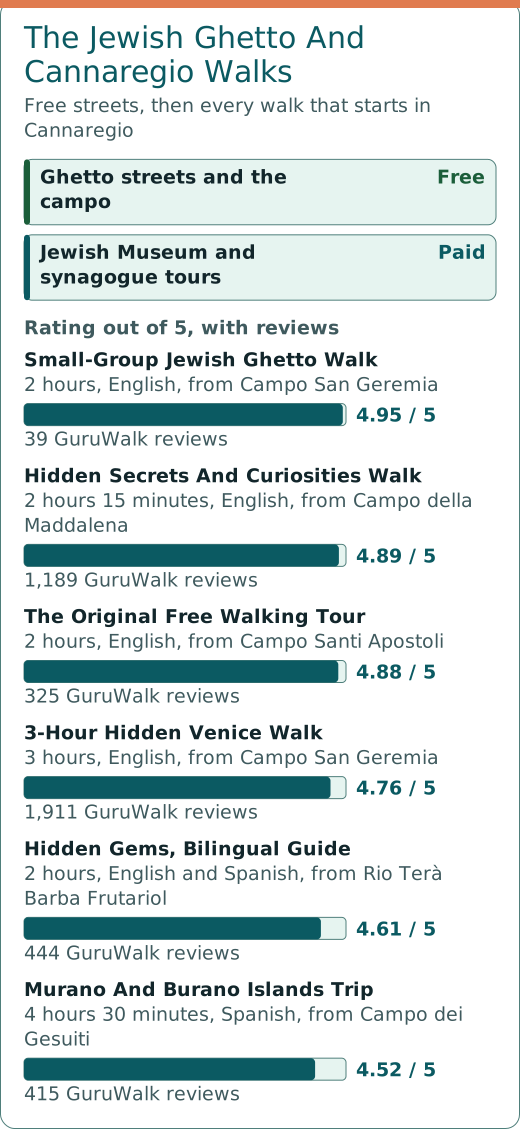
For visitors who want the history explained rather than simply seen, a guided walk adds context that the plaques alone do not give. The Small-Group Jewish Ghetto Walk, run by the guide Lucia on GuruWalk, is rated 4.95 out of 5 across 39 GuruWalk reviews, runs for 2 hours in English and meets at Campo San Geremia, which sits a short walk from the ghetto edge. Because it is free to book and pay what you want, it fits a zero-euro itinerary while still giving you a guide's knowledge of the quarter. The same walk is covered in more depth in our free walking tour Venice guide.
Timing the walk against the museum is the one piece of planning worth doing before you set out. The museum and its synagogue visits run to their own schedule, and the walk's departure times sit on the guide's GuruWalk page rather than on this site, so check both before committing a morning. If the two do not align, the free outdoor sights listed above fill the gap without any difficulty.
The Jewish Museum And The Synagogues: What Costs Money?
The paid part of the Venice Jewish Ghetto is the Jewish Museum, which sits on the campo and displays the quarter's religious and domestic heritage, together with the guided visits to the historic synagogues that the museum organises. Everything outdoors remains free regardless.
The museum is the quarter's indoor anchor, occupying buildings on Campo di Ghetto Nuovo. Its collection covers the religious life, crafts and domestic history of the Venetian Jewish community, and the synagogue visits, led by the museum's guides, take you inside the upper-floor places of worship whose exteriors you will have already spotted from the square. For many visitors this is the moment the architecture finally makes sense: the unassuming street facades hide elaborate interiors, built upward and inward because the community had no room to build out.
Budgeting for it is straightforward even without a printed price. Treat the museum and synagogue visit as one discretionary line in your day, alongside the other paid interiors of Venice, and keep the outdoor quarter as your guaranteed free fallback. If the museum is closed or the visit times do not suit, the free sights listed above still fill a full morning. This is the same approach we recommend in the Venice on a budget guide: decide your paid interiors in advance, and let the streets carry the rest of the day.
Which Free Walking Tours Meet Near The Ghetto?
Several free, pay-what-you-want walking tours meet within walking distance of the Jewish Ghetto or cover the Cannaregio side of the city, including the Small-Group Jewish Ghetto Walk at Campo San Geremia, the Original Free Walking Tour at Campo Santi Apostoli in Cannaregio, and the Heart Of Venice walk, a bilingual English and Spanish tour that meets at the Gallerie dell'Accademia in Dorsoduro. All are free to book, with payment at the guide's discretion.
The ghetto's own walk is described above. Around it, Cannaregio hosts several other meeting points, which makes the district a natural base for a walking day. The Original Free Walking Tour, guided by Simona on GuruWalk, is rated 4.88 out of 5 across 325 GuruWalk reviews, lasts 2 hours in English and meets at Campo Santi Apostoli, a square on the Cannaregio side of the city. The Historic Centre Walk With Annie, rated 4.7 out of 5 across 73 GuruWalk reviews, meets at Teatro Goldoni on the San Marco side and runs for 1 hour 30 minutes in English. Other pages covering the same trip are gathered on Free Things To Do In Venice.
Across the Grand Canal in Dorsoduro, the Heart Of Venice walk offers a bilingual option: English and Spanish, 1 hour 30 minutes, meeting at the Gallerie dell'Accademia, and rated 8.9 out of 10 across 2,142 freetour.com reviews. Recent guest reviews on the freetour.com listing note that the route skips St Mark's Square and the Basilica, so treat it as a Dorsoduro-and-city-centre walk rather than a square-by-square tour. Its meeting point beside the Accademia also puts it near the Gallerie dell'Accademia itself, the state art gallery that is free on the first Sunday of the month under the Domenica al Museo scheme, with a standard ticket of EUR 20 at other times, as covered in our Gallerie dell'Accademia guide.
A practical note on all of these: they are genuinely free to reserve, and the pay-what-you-want model means the amount is settled with the guide at the end. The etiquette of what to give is its own question, and we treat it separately in our article on how much to tip a free walking tour in Venice, which quotes only what the listings themselves say.
How Do You Get To The Ghetto And What Does Transport Cost?
The Jewish Ghetto is reached on foot from anywhere in Cannaregio, or by vaporetto to the nearby stops on the Canale di Cannaregio, using standard ACTV tickets: a 75-minute single costs EUR 9.50, a 24-hour ticket EUR 25, a 48-hour ticket EUR 35, a 72-hour ticket EUR 45 and a 7-day ticket EUR 65. Walking from the railway station takes roughly ten to fifteen minutes and costs nothing.
The quarter sits in the north of Cannaregio, between the Canale di Cannaregio and the edges of the district towards Santa Lucia station. Coming from the station, follow the canalside path north-east along the Cannaregio canal and turn into the calli around Campo San Geremia; the route is flat, signposted by the ordinary flow of the city, and short. Coming from Rialto or San Marco, the walk is longer but still under half an hour through the back streets of San Polo and Santa Croce, crossing some of the quieter bridges in the city.
For walkers arriving from the Rialto side, a free walking tour can double as the route itself. The Rialto And Secret Spots Walk, run by Lucia of Free Walk in Venice on GuruWalk, is rated 4.92 out of 5 across 366 GuruWalk reviews, lasts 2 hours in English and meets at Campo San Polo, from where the route towards Cannaregio is a direct walk. As with every walk on this site, it is free to book and pay what you want, and the meeting square is a short distance from the Rialto market area.
| ACTV vaporetto ticket | Price | Best for |
|---|---|---|
| 75-minute single | EUR 9.50 | One crossing, no return |
| 24-hour ticket | EUR 25 | A heavy day of boat hopping |
| 48-hour ticket | EUR 35 | Two days with several rides |
| 72-hour ticket | EUR 45 | A long weekend |
| 7-day ticket | EUR 65 | A week of unlimited travel |
For most visitors whose hotel or arrival point is anywhere in the northern half of the city, walking beats the boat: the ghetto is close enough to the station and to Rialto that a vaporetto ticket bought only for this journey is poor value. Save the boat money for the Grand Canal crossing or the islands.
Do You Need To Pay The Venice Access Fee To Visit The Ghetto?
No access fee is charged now. The 2026 experimental season of the Venice access fee ran on 60 non-consecutive days from 3 April to 26 July 2026, between 08:30 and 16:00, and it has ended; the fee applied to day visitors entering the historic centre on those days, and the Jewish Ghetto fell inside the charged area. No official 2027 dates or amounts have been published, so nothing can be stated about next year's rules.
The access fee, or Contributo di Accesso, is a charge for entering the historic centre on designated days, not an attraction ticket, and it is separate from every price in this guide. During the 2026 trial it cost EUR 5 per person if paid by the fourth-to-last day before the visit and EUR 10 if paid in the last four days, with proof carried as a QR code from the official portal. Overnight guests in accommodation inside the Comune were exempt but had to register, and the lagoon islands, Murano, Burano, Torcello and the Lido, were not charged. The official FAQ at cda.ve.it carries the operative rules, and the city's own planning pages at visit.venice.it summarise them for visitors.
Because the fee is tied to specific days rather than to places, it never affected the ghetto's own pricing: the streets were free on charging days too, the charge was simply for entering the historic centre that morning. If a future season is announced, the same logic will apply, and the question of whether your travel dates fall inside it is answered in full in our do I need to pay the Venice access fee article.
Planning A Free Day Around The Ghetto
A free day built around the Jewish Ghetto works because the quarter sits at the centre of a walkable cluster of free sights: the canalside path of Cannaregio, the back streets towards Rialto, the campo itself and the memorial plaques, all connected on foot in under an hour of walking. Add one pay-what-you-want walking tour and the day gains a guide's commentary for whatever you decide it was worth.
Start early, because the ghetto's quiet is its main asset and the campo fills by late morning. A practical order is to arrive from the station side along the Cannaregio canal, spend an unhurried hour in the quarter, then walk south towards Rialto through Santa Croce and San Polo, crossing districts that cost nothing and hold some of the city's least-visited bridges and campi. The decision points are few: whether to pay for the museum, whether to take a boat, and whether to join a walk.
The free walking tours listed on this site, 17 in total across GuruWalk and freetour.com, cover the city from Dorsoduro to Cannaregio, and the three below are the ones whose ground or meeting points sit closest to the ghetto's own neighbourhood.
Common Questions About The Jewish Ghetto In Venice
Is The Venice Jewish Ghetto Free To Enter?
Yes. The streets, squares and bridges of the quarter are public space, free at any hour, with no ticket or access charge for walking through. The paid parts are the Jewish Museum and the guided synagogue visits it organises, whose prices are set by the museum itself.
How Far Is The Jewish Ghetto From The Rialto Bridge?
The ghetto sits in the north of Cannaregio, and the walk from Rialto runs through Santa Croce and San Polo in roughly twenty to thirty minutes, crossing quiet bridges rather than crowded ones. Coming from Santa Lucia railway station, the walk is shorter, around ten to fifteen minutes along the Canale di Cannaregio.
Can You See The Synagogues Without Paying?
You can see the exteriors for free: the small domes and lantern windows of the historic synagogues rise above the rooftops around Campo di Ghetto Nuovo and are visible from the square and surrounding streets. Going inside the synagogues is through the museum's guided visits, which are paid.
Which Free Walking Tour Covers The Jewish Ghetto?
The Small-Group Jewish Ghetto Walk, run by Lucia on GuruWalk, meets at Campo San Geremia a short walk from the quarter, lasts 2 hours in English and is rated 4.95 out of 5 across 39 GuruWalk reviews. It is free to book and pay what you want at the end.
Do I Need To Pay The Venice Access Fee To Visit The Ghetto?
No fee is charged now. The 2026 trial ended on 26 July 2026, and no official 2027 dates or amounts have been published. On the 2026 charging days the ghetto fell inside the historic-centre area, so day visitors paid the fee to enter the city that morning, but the quarter's streets themselves were always free.
What Is The Closest Vaporetto Stop To The Jewish Ghetto?
The stops along the Canale di Cannaregio serve the district, using standard ACTV tickets: EUR 9.50 for a 75-minute single, or EUR 25 for a 24-hour pass. Walking from the station or Rialto costs nothing and is short enough that most visitors do not need a boat for this visit.