Vaporetto Venice: Ticket Prices, Lines And Free Alternatives
The vaporetto is Venice's public boat network and, for most visitors, the single biggest daily cost after accommodation. This guide sets out the real fares, what the access fee does and does not cover, and the parts of the city you can see without buying a ticket at all.
Short answer
A 75-minute ACTV vaporetto ticket costs EUR 9.50, a 24-hour pass EUR 25, a 48-hour pass EUR 35, a 72-hour pass EUR 45 and a 7-day pass EUR 65. The vaporetto is not free for visitors, and the Venice access fee is not charged now: the 2026 trial ended 26 July 2026 and no 2027 dates or amounts are published.
What Is The Vaporetto And How Does It Work?
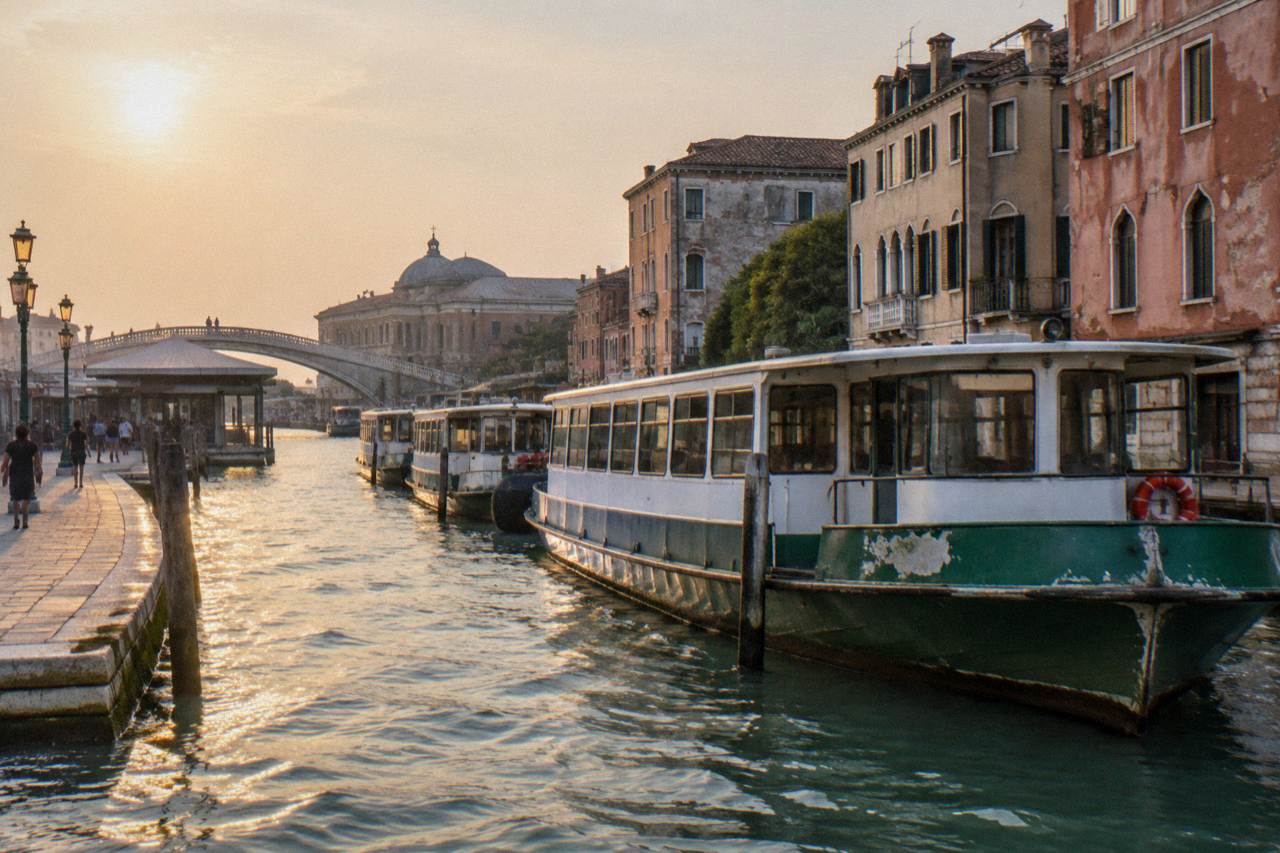
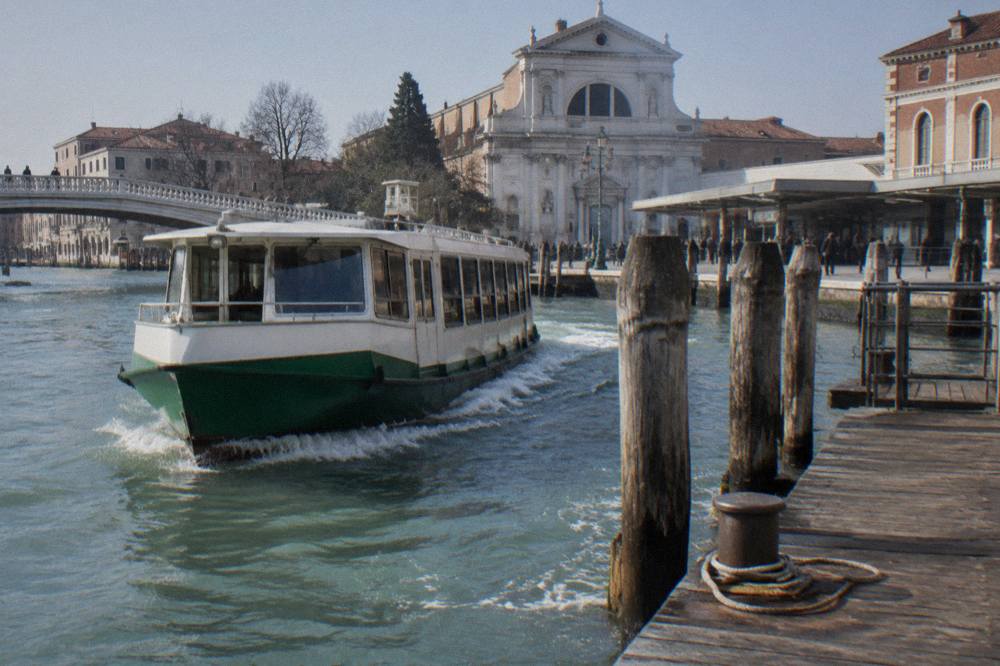
The vaporetto is Venice's public waterbus network, run by ACTV, and it works like a metro system built on canals: flat fares, fixed stops called pontili, and boats arriving every few minutes on the busiest routes. A single ticket is valid for 75 minutes, passes cover 24 hours to 7 days, and every visitor pays: there is no free ride for tourists. It is the only public transport that reaches the lagoon islands.
That last point matters more than most guidebooks admit. Venice's historic centre is walkable end to end, and the bridges that cross its canals cost nothing to use. What the vaporetto genuinely solves is distance: crossing the Grand Canal without a bridge, reaching Murano, Burano and Torcello in the northern lagoon, and getting to and from the airport. For everything else, your feet are the cheaper option, and often the faster one once you account for waiting at the landing stage.
The system is simple once you buy a ticket. You validate a paper ticket or a pass card at the machine on the pontile before boarding, you board when the boat docks, and you get off at your stop. Fares are set by ACTV and confirmed for the 2026 to 2027 season, with no increases announced for standard tickets or subscriptions. That stability is useful for planning: the numbers in this guide are the numbers you will meet at the machine.
The rhythm of the network takes a page or two to absorb and then becomes second nature. Each landing stage serves the routes that call there, the destination is displayed on the boat itself, and the crew controls boarding at the pontile. No part of the system demands local knowledge beyond the name of your stop, which is why the fare question, not the route question, is the one that decides your budget. Work out what you will pay before you work out where you will stand.
One thing the vaporetto is not, and this confuses a lot of first-time visitors: it is not the same thing as the Venice access fee. The access fee is a charge for entering the historic centre on set days, not a transport ticket, and the two systems have nothing to do with each other. We come back to that below, because the current position on the access fee surprises people who read older articles.
How Much Does A Vaporetto Ticket Cost In Venice?
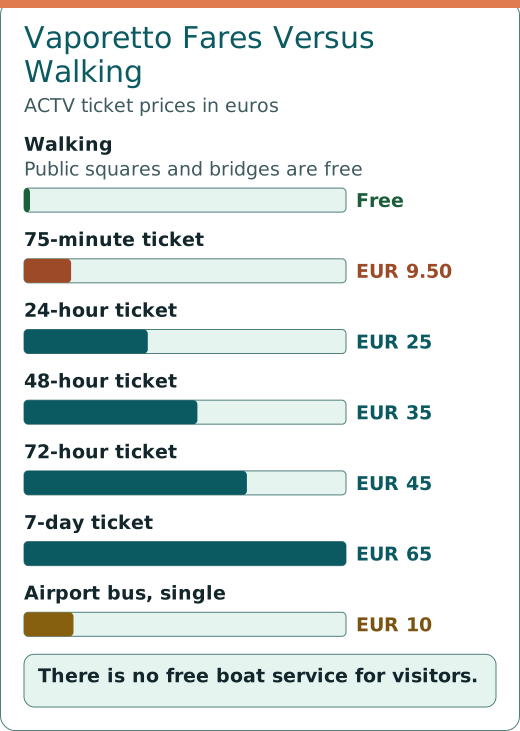
A single 75-minute ACTV ticket costs EUR 9.50, which makes the vaporetto one of the most expensive urban transports in Europe per ride. Time passes cut the unit price sharply: EUR 25 for 24 hours, EUR 35 for 48 hours, EUR 45 for 72 hours and EUR 65 for 7 days. The airport bus single is EUR 10. Fares are confirmed for the 2026 to 2027 season with no announced increases.
The arithmetic is what should drive your decision, not the sticker price. At EUR 9.50 a ride, two singles already cost more than a third of the 24-hour pass, so anyone planning more than two boat trips in a day should buy the pass. Conversely, a visitor who walks the historic centre and takes one return journey to the islands should buy singles and nothing else. The 7-day pass at EUR 65 only pays off if you are riding the boats nearly every day of your stay.
Run the break-even explicitly and the choice makes itself. Three single rides in one day cost EUR 28.50 against the EUR 25 day pass, so the pass wins at exactly three journeys and loses at two.
| Ticket | Price | Best for |
|---|---|---|
| Single, 75 minutes | EUR 9.50 | One-off crossings and island day trips |
| 24-hour pass | EUR 25 | A heavy sightseeing day with three or more rides |
| 48-hour pass | EUR 35 | Two active days |
| 72-hour pass | EUR 45 | A long weekend of daily boat use |
| 7-day pass | EUR 65 | A full week riding most days |
| Airport bus single | EUR 10 | The airport connection |
There is no free boat service for visitors. No complimentary shuttle, no free line for tourists, nothing.
If the boat budget feels heavy, remember what the money is for: the vaporetto gets you between places, but it does not explain any of them. A guided walk does, and several of the free walking tours listed on this site cost nothing until you decide what the guide earned. The Understanding Venice walk with Scandic Tours, rated 4.35 out of 5 across 49 GuruWalk reviews, starts at Campiello de la Chiesa in San Marco and runs 2 hours in English. The Historic Centre Walk With Annie, rated 4.7 out of 5 across 73 GuruWalk reviews, meets at Teatro Goldoni for 1 hour 30 minutes. Both are pay-what-you-want listings on GuruWalk, and both cover ground you would otherwise reach by boat.
Is The Vaporetto Ever Free, And What About The Venice Access Fee?
No, the vaporetto is never free for visitors, and no concession gives tourists a free ride. The Venice access fee, which is often confused with transport, is not charged now: the 2026 trial ran on 60 days between 3 April and 26 July 2026, 08:30 to 16:00, and no official 2027 dates or amounts have been published. The two charges are separate systems.
The access fee deserves a careful paragraph because so much outdated copy is still online. During the 2026 trial it was EUR 5 per person if paid by the fourth-to-last day before the visit, EUR 10 if paid in the last four days, and it applied to everyone over 14 entering the historic centre, the Citta antica, on the charged days. Murano, Burano, Torcello and the Lido were not charged. Overnight guests in accommodation inside the Comune were exempt but had to register, and proof was a QR code from cda.ve.it. The official access fee FAQ and the city's own entry fee page carry the current position, and both should be checked before travel because no 2027 calendar exists yet.
None of that money bought a boat ride. The access fee was a charge for being in the historic centre during charged hours, full stop. The vaporetto charged its own fares on top, then as now. A visitor who arrived by train, walked everywhere and left the same day owed the access fee on charged days but nothing to ACTV; a visitor staying overnight owed ACTV for any boat taken but, once registered, no access fee.
The Dorsoduro side of the Grand Canal is where this distinction becomes concrete. The Gallerie dell'Accademia is one of the museums confirmed free on first Sundays under the Domenica al Museo scheme, EUR 20 otherwise, and the Accademia landing stage sits right beside it. The Heart Of Venice walk with Venicemania, a freetour.com listing rated 8.9 out of 10 across 2,142 freetour.com reviews, meets at the Gallerie dell'Accademia and runs 1 hour 30 minutes in English and Spanish. It is free to join with a tip at the end, which makes it the cheapest possible introduction to a neighbourhood you reached by one EUR 9.50 boat ride, or by walking over the Accademia bridge for nothing.
Recent guest reviews on that listing note the route skips St Mark's Square and the Basilica, so treat it as a Dorsoduro-and-surrounds walk rather than a square-by-square tour. For the full picture of pay-what-you-want guiding, the free walking tour guide explains how the model works, and the post on whether free walking tours are really free answers the question most first-timers ask.
Vaporetto Or Walking: Which Parts Of Venice Need A Boat?
Most of the historic centre does not need a boat at all: San Marco, San Polo, Cannaregio, Dorsoduro and Castello connect on foot, and the bridges cost nothing. The boat earns its fare for the Grand Canal crossings without a bridge, the northern lagoon islands of Murano, Burano and Torcello, and the airport. A visitor who walks the centre and boats only to the islands can spend under EUR 20 on transport for a whole trip.
The islands are the clearest case for buying a ticket. Murano, Burano and Torcello are free to walk, but their museums and the Torcello cathedral are paid, and the boat fare there and back is a real cost on top. There is a guided option too: the Murano And Burano Islands Trip on GuruWalk is a Spanish-language page-only listing, and its boat tickets to the islands are an extra cost. For most visitors the honest summary is that the islands are worth the fare and the museums are worth checking prices for before you commit.
| Journey | On foot | By vaporetto | The sensible choice |
|---|---|---|---|
| San Marco to Rialto | Yes, about 15 minutes over the bridge | One stop on the canal lines | Walk |
| Grand Canal crossing, no bridge nearby | Long detour | One 75-minute single | Boat |
| Historic centre to Murano and Burano | No | Day trip by boat | Boat, plus island museum tickets |
| Dorsoduro to Cannaregio | Yes, 30 to 40 minutes | One or two rides | Walk if the weather holds |
| Airport to the historic centre | No | Airport connections, bus single EUR 10 | Boat or bus |
Inside the centre, the walking option is not just cheaper, it is often the point. San Polo and the Rialto end of the Grand Canal are a dense network of calli where a boat bypasses everything worth seeing. The Rialto And Secret Spots Walk with Free Walk in Venice, guided by Lucia, is a GuruWalk listing rated 4.92 out of 5 across 366 GuruWalk reviews, meeting at Campo San Polo for 2 hours in English. It is free to join, pay what you want, and it works the same neighbourhood the canal boats fly past.
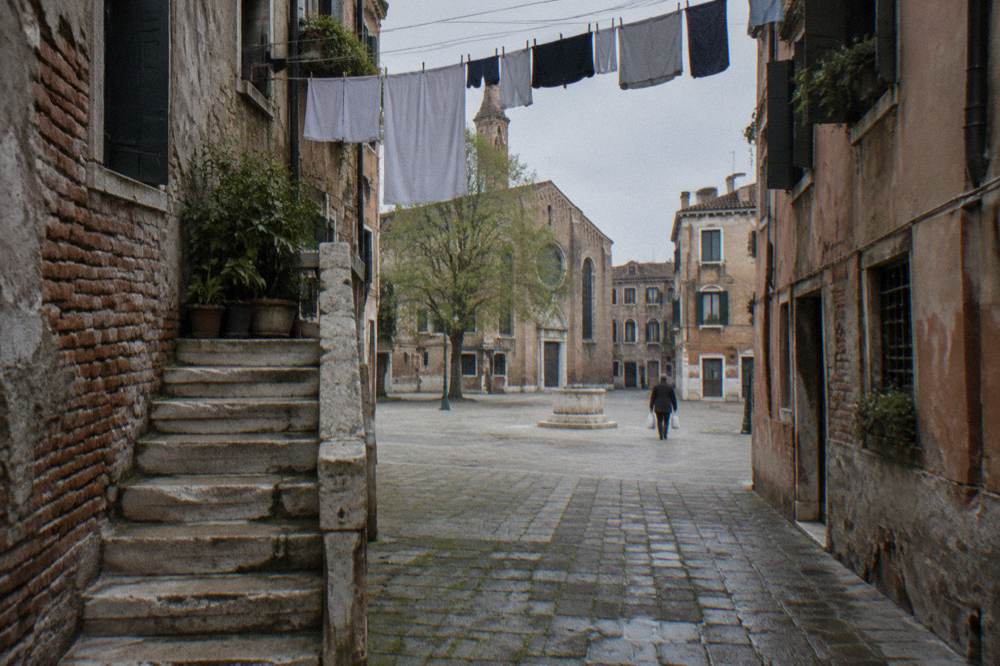
Cannaregio makes the same argument from the other side of the city. It is the northernmost of the historic centre's districts, it contains the Ghetto, whose streets are free to walk, and it is where the vaporetto routes to the islands depart, so it is where walking and boating decisions actually collide. The Original Free Walking Tour with Simona, rated 4.88 out of 5 across 325 GuruWalk reviews, meets at Campo Santi Apostoli in Cannaregio and runs 2 hours in English on the pay-what-you-want model.
One rule from the city's current visitor regulations belongs in any transport decision: organised groups are capped at 25 people and loudspeakers are banned. For a family or a handful of friends this changes nothing. For anyone moving a larger party around, it reinforces the same conclusion the fares already push you toward, because a campo absorbs a crowd far better than a single pontile does.
One seasonal note belongs here rather than repeated later. Acqua alta, the tide flooding that affects low areas like Piazza San Marco, runs mainly from October to March, and the city's official acqua alta page tracks forecasts and raised walkways. When the water is up, walking slows down and the boats keep running, which is the one weather case where even committed walkers buy a day pass.
What Are The Free Alternatives To The Vaporetto?
The free alternatives are walking, the bridges, the campi and the free pay-what-you-want walking tours, and together they cover nearly everything a first-time visitor wants to see. This site lists 17 free walking tours across GuruWalk and freetour.com, all bookable at no upfront cost. The one thing no free option covers is the water: if the journey needs a boat, the vaporetto fare is unavoidable.
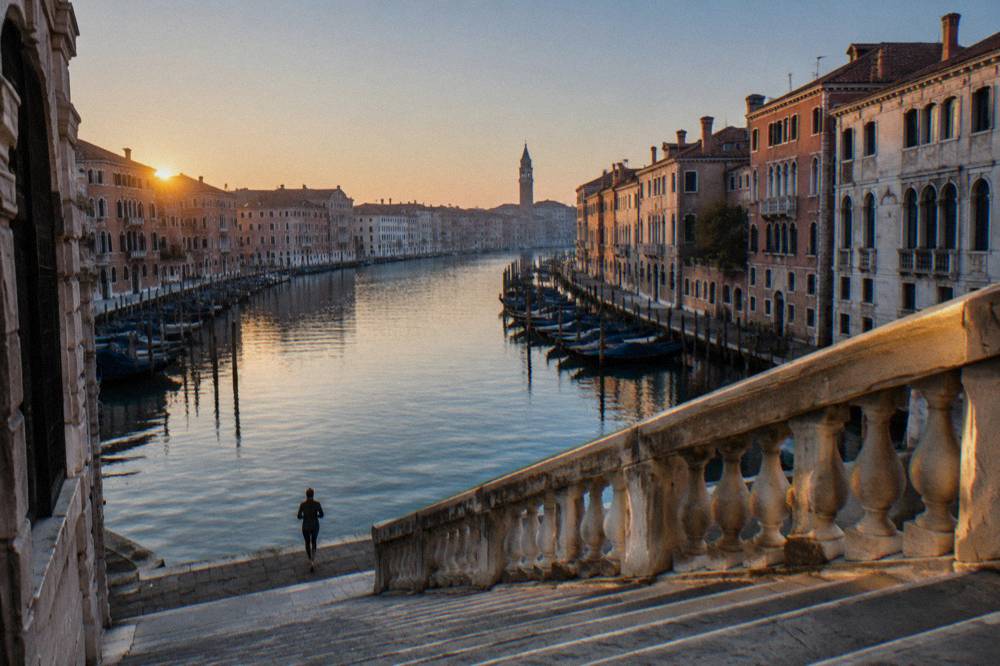
Start with the geometry. The historic centre is a compact cluster of islands stitched together by bridges, and the Grand Canal has only four crossings along its length. If your route uses one of them, the Accademia bridge, the Rialto bridge, the Ponte degli Scalzi or the Ponte della Costituzione, you cross for free. If it does not, you either detour to a bridge or pay EUR 9.50 for a one-stop ride. Planning around the bridges is the single biggest transport saving available in Venice.
The free ledger extends well past transport, and knowing where it stops is half the planning. Piazza San Marco itself costs nothing to enter at any hour, and it is the one grand room in the city that needs no ticket; the Campanile beside it is a separate EUR 15, and the Basilica's entry is EUR 10, both facts worth having before a queue forms. The Punta della Dogana waterfront follows the same pattern: free to walk, with a paid museum inside. The rule of thumb is that the ground and the water views are free, and the doors and the towers are not.
The free walking tours then do the explaining. The Northern Districts, Locals' Venice walk with Venice Walking Tour, rated 4.82 out of 5 across 3,020 GuruWalk reviews, meets at Campo de la Fava in Castello for 2 hours in English. The Overlooked Highlights Walk, also with Venice Walking Tour, is rated 4.84 out of 5 across 1,668 GuruWalk reviews from Campo Sant'Agnese in Dorsoduro. The Hidden Secrets And Curiosities Walk with ITAKA tours, rated 4.89 out of 5 across 1,189 GuruWalk reviews, starts at Campo della Maddalena in Cannaregio for 2 hours 15 minutes. Each is a GuruWalk listing, free to join with a tip at the end.
This site also carries Spanish-language page-only walks, which run in Spanish only. If you are planning a wider budget, the Venice on a budget guide pulls the free attractions and paid traps into one plan, and the post on how much to tip a free walking tour covers the one cost the pay-what-you-want model does involve.
How Should You Plan A Venice Transport Budget?
A sensible transport budget is EUR 9.50 for a single-crossing day, EUR 25 for a boat-heavy day pass, or nothing at all for a walking-centred trip that uses bridges instead of boats. Add island boat fares for Murano or Burano, add nothing for the access fee unless official dates are published, and never budget a tip for a free tour as a fixed cost, because the amount is entirely your choice.
The budget that fails is the one built on assumptions. Visitors who assume the vaporetto is cheap, like a land metro, spend EUR 9.50 four times in a day. Visitors who assume the access fee is due read stale articles and pay for something that is not currently charged. The position is that the 2026 trial ended on 26 July 2026, and no official 2027 dates or amounts have been published, so check the official portal before you travel rather than budgeting a guess.
Island days are where transport and attraction costs stack, and they deserve their own line. The islands themselves are free to walk, the museums there and the Torcello cathedral are paid, and the boat fare sits on top of both. Price the museums before you commit a full day, because the crossing is the only part of that stack you cannot avoid once you have decided to go.
| Trip style | Transport spend | What you get |
|---|---|---|
| Walking only, bridges for crossings | EUR 0 | The whole historic centre on foot |
| One island day trip | 2 singles or a day pass | Murano and Burano, museums paid separately |
| Boat-heavy sightseeing | EUR 25 per day | Unlimited ACTV rides for 24 hours |
| Full week, daily boats | EUR 65 | The 7-day pass |
| Day visitor on a charged access-fee day | Access fee only, if charged | Entry to the historic centre, no transport |
The access fee line deserves one pointed reminder rather than a second explanation: it is not charged now, and the official portal is the only place a 2027 calendar will appear. Budget nothing for it until that page says otherwise.
Two planning rules close the budget question. First, decide your islands before you buy any pass, because the pass price only makes sense against the number of rides you will actually take, not the number you imagine. Second, put a fraction of what you save toward a guide: a pay-what-you-want walk turns a neighbourhood you would have floated past into a place you understand, and the cost is set by you at the end.
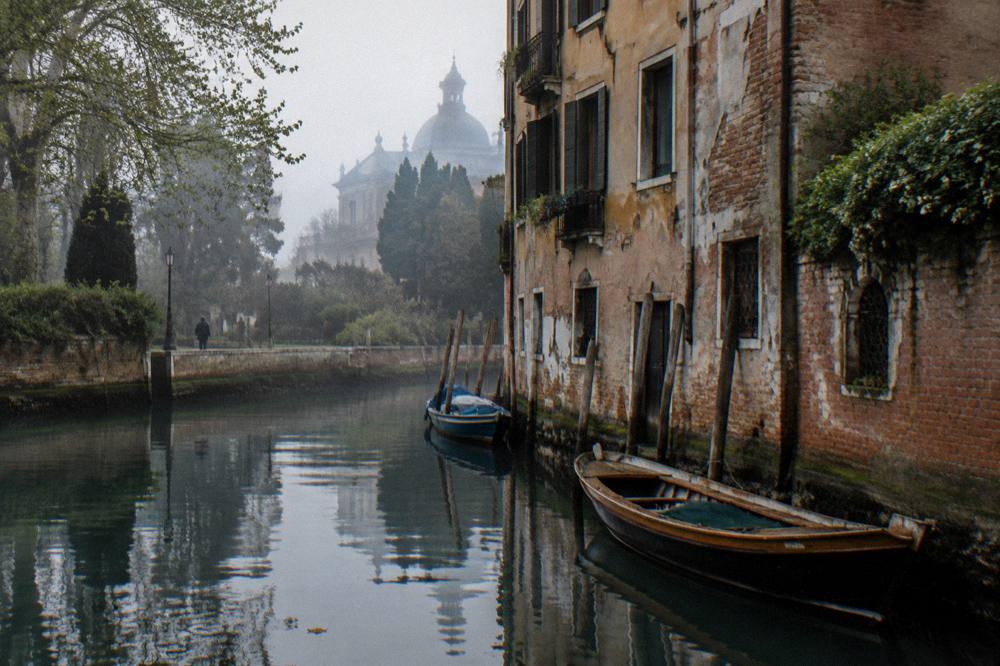
That is the honest trade the city offers. The vaporetto is excellent and expensive, the streets are free and slow, and the best trips use both deliberately: boats for distance and weather, feet for everything else, and a local guide, tipped at your discretion, for the parts guidebooks pass in silence. Free Things To Do In Venice exists to keep that second column of the ledger as full as your first day in the city.
Common Questions About The Vaporetto In Venice
How Much Is A Single Vaporetto Ticket In Venice?
A 75-minute ACTV single costs EUR 9.50, confirmed for the 2026 to 2027 season. Passes run from EUR 25 for 24 hours to EUR 65 for 7 days, and the airport bus single is EUR 10.
Is The Vaporetto Free For Tourists?
No. There is no free boat service for visitors, and no tourist concession exists. The only free ways around the historic centre are walking and the bridges.
Does The Venice Access Fee Include Vaporetto Rides?
No. The access fee is a charge for entering the historic centre on set days, not a transport ticket. It is not charged now: the 2026 trial ended on 26 July 2026, and no official 2027 dates or amounts have been published.
Is A 24-Hour Vaporetto Pass Worth It?
It is worth it if you will take three or more rides in the day, since three singles at EUR 9.50 already exceed the EUR 25 pass. If you plan to walk the centre and cross the Grand Canal by bridge, singles or nothing are the better buy.
Can You Get To Murano And Burano Without A Vaporetto?
Not by public transport. The islands are free to walk once you arrive, but the boat fare is a real cost, and the museums on the islands and the Torcello cathedral are paid separately.
What Is The Cheapest Way To See Venice?
Walk. The historic centre is fully connected on foot, the bridges cost nothing, and the free walking tours listed on this site, 17 across GuruWalk and freetour.com, charge nothing upfront. Reserve boat fares for the islands and the airport.