St Mark's Square: What Is Free, What Costs, And How To Plan A Visit
St Mark's Square is the one place in Venice every visitor ends up in, and the good news is that standing in it costs nothing. The paid parts start at the Basilica doors. Here is exactly where the free experience ends and the tickets begin.
Short answer
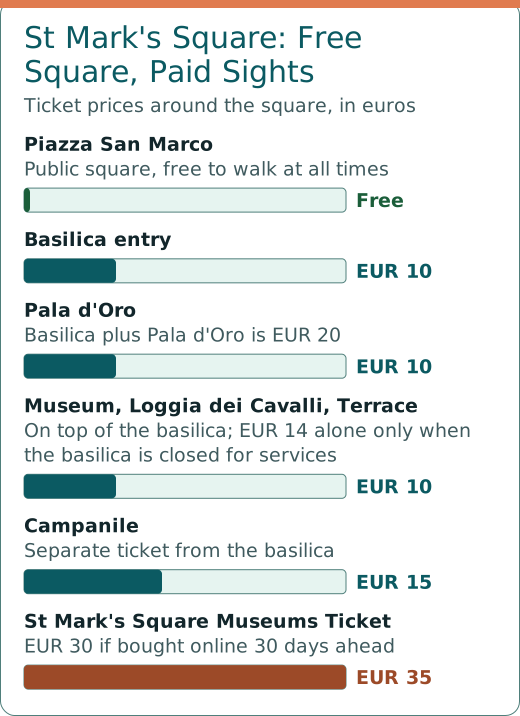
St Mark's Square itself is free to enter at any time. The paid parts are separate: Basilica entry is EUR 10, the Pala d'Oro EUR 10, the museum and terrace EUR 10, the Campanile EUR 15, and the Doge's Palace is part of the St Mark's Square Museums Ticket at EUR 35, or EUR 30 bought online at least 30 days ahead.
St Mark's Square is the lowest, the most photographed and the most expensive square in Venice, in roughly that order. It floods first when the tide rises, it fills first each morning, and it concentrates more paid attractions per square metre than any other open space in the city. None of that changes the basic arithmetic for a visitor: the square itself, the arcades, the facades and the whole theatrical stage set of the Piazza are free to walk into, at any hour, with no ticket, no queue and no access charge of any kind. The money starts only when you walk through a door.
This guide separates the two experiences cleanly. First, what the free square actually contains and how to get the most from it. Second, what each paid component costs, with the real figures from the operators' own tariff pages, so you can decide which door is worth opening. Third, the free walking tours that cover this ground, all of them pay what you want, run by independent local guides and bookable without paying anything up front. There are 17 free walking tours listed on this site across GuruWalk and freetour.com, and several of them start within a short walk of the Piazza.
Is St Mark's Square Free To Visit?
Yes, St Mark's Square is completely free to enter and free to stand in, at any hour of the day or night, with no ticket and no capacity charge. The free part is the open square and its architecture. The paid parts are the buildings you enter: the Basilica, the Campanile, the museum and terrace, and the Doge's Palace, each with its own separate ticket.
The distinction matters because the square and its monuments are run by entirely different bodies with entirely different tariffs. The Piazza itself is public ground, maintained by the city. The Basilica di San Marco answers to its own Procuratoria, which sets its own prices. The Palazzo Ducale and the other civic museums answer to MUVE, the city museum foundation, which runs its own tariff with no first-Sunday free scheme for visitors. Nothing you pay at one door covers another door, with one useful exception described below.
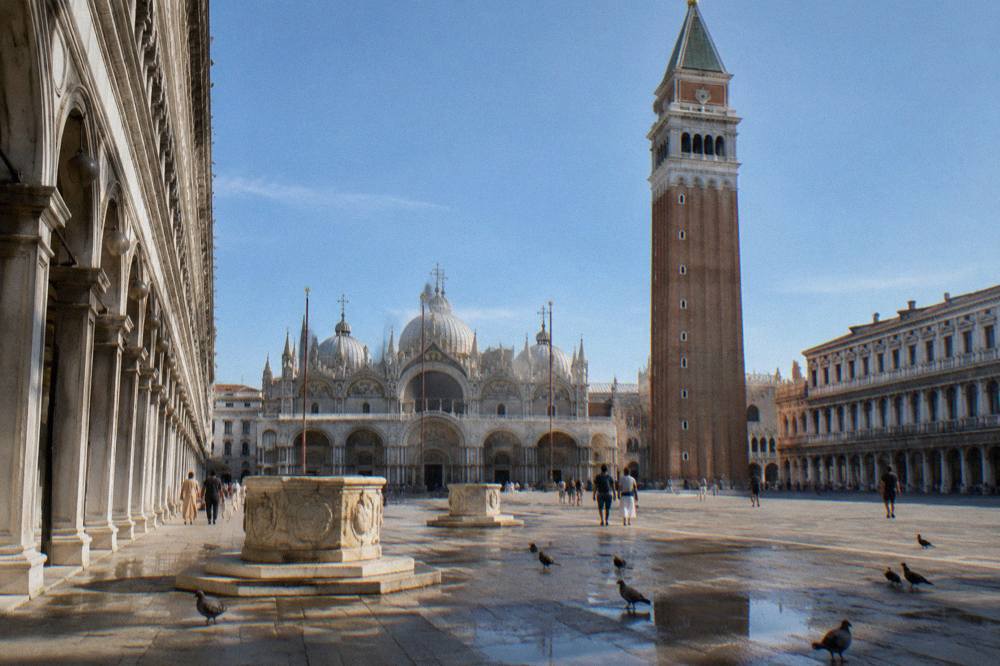
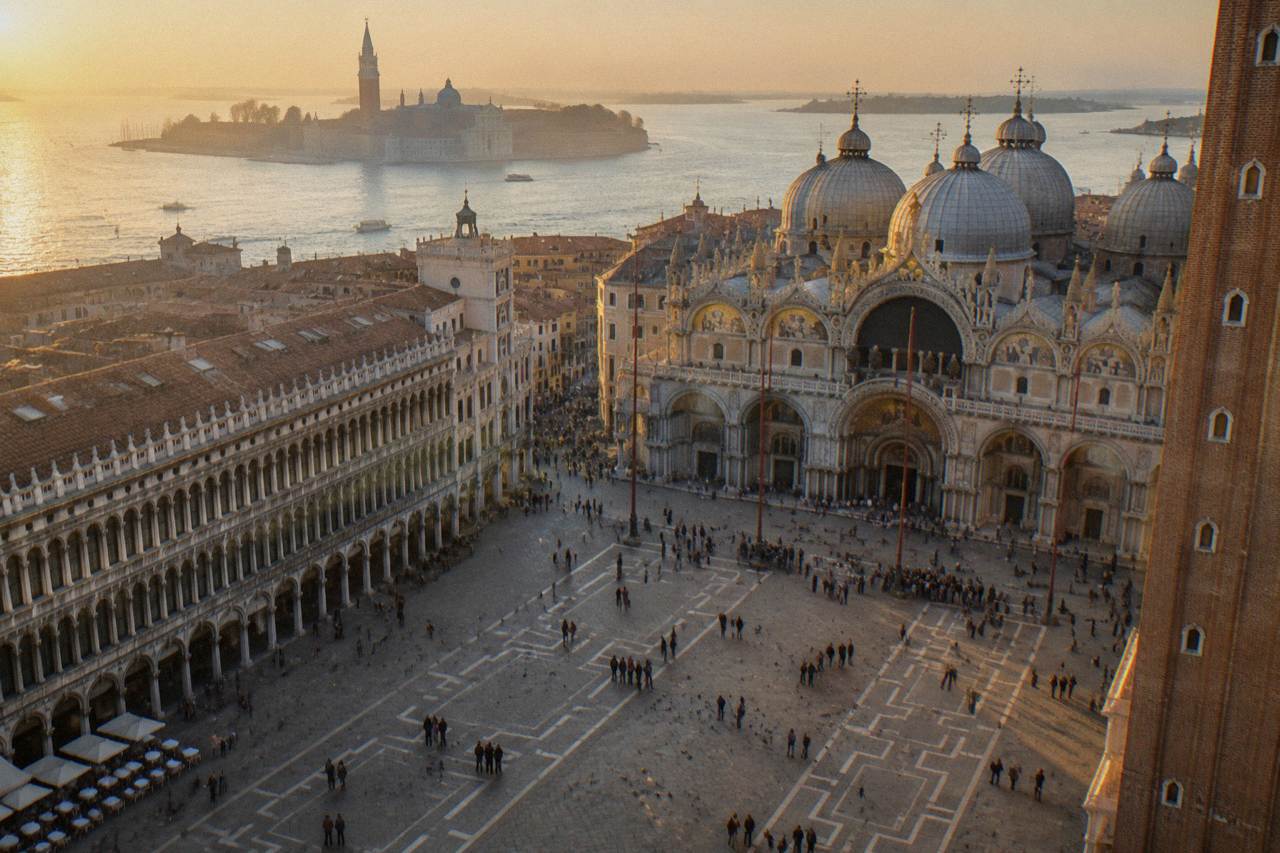
What the free square gives you is substantial. The west facade of the Basilica, with its gold mosaics glittering behind the horses' loggia, is visible from anywhere in the Piazza. The Campanile defines the skyline of the whole city and can be photographed from the square's every corner. The Procuratie, the three arcaded palaces that frame the Piazza on three sides, form one of the longest continuous facades in Europe, and walking their arcades costs nothing. The Clock Tower with its bronze moors striking the hour is a free show that runs 24 times a day.
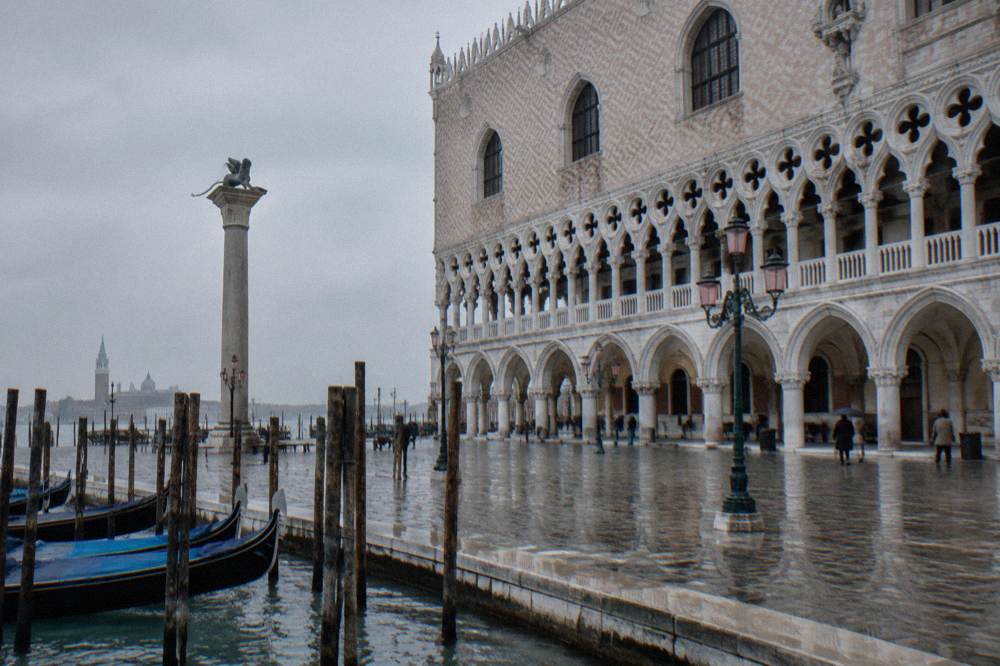
There is a second square most first-time visitors miss. The Piazetta, the smaller paved space between the Piazza and the water, holds the two granite columns that once marked the formal entrance to the city: the lion of St Mark on one, St Theodore and his crocodile on the other. From there the lagoon opens out across the water, with the island of San Giorgio Maggiore facing you. That whole postcard view, the one that appears on half the souvenirs sold in the surrounding streets, is free.
| Part of St Mark's Square | Free or paid | What you get |
|---|---|---|
| The Piazza and Piazetta, open ground | Free | The square, arcades, facades, columns, lagoon view |
| Basilica di San Marco, entry | Paid, EUR 10 | Timed entry to the nave |
| Pala d'Oro | Paid, EUR 10 | The gold altarpiece behind the high altar |
| Basilica museum, Loggia dei Cavalli, terrace | Paid, EUR 10 | Museum, original horses, terrace over the Piazza |
| Campanile | Paid, EUR 15 | Lift to the bell tower viewing platform |
| Doge's Palace | Paid, part of EUR 35 combined ticket | Palace interior, including the Bridge of Sighs crossing |
One detail from the tariff is worth knowing before you queue. A Basilica ticket also admits the holder, within six months, to 34 other sites in the Basilica's orbit. If you plan to visit more than one of those sites, the EUR 10 stops being a single-attraction price and starts working much harder. Check which sites are open on the day you go, since some close seasonally.
What Can You See In St Mark's Square Without Spending Anything?
You can see the Basilica's mosaic facade, the Campanile, the Clock Tower, the Procuratie arcades, the two columns of the Piazetta, the Doge's Palace exterior and the lagoon view without spending anything. All of it is outdoor architecture, visible at any hour, and the best of it is in the early morning or late evening light.
The free experience of the square is mostly about timing and angles. At eight in the morning, before the day-trip crowds arrive, the Piazza belongs to pigeons, delivery trolleys and a handful of photographers, and the Basilica facade catches low light that makes the gold mosaics readable. In the evening, after the last vaporetto crowds disperse, the arcades are lit and the square becomes the quietest large open space in Venice. Both ends of the day cost nothing and deliver the square at its best.
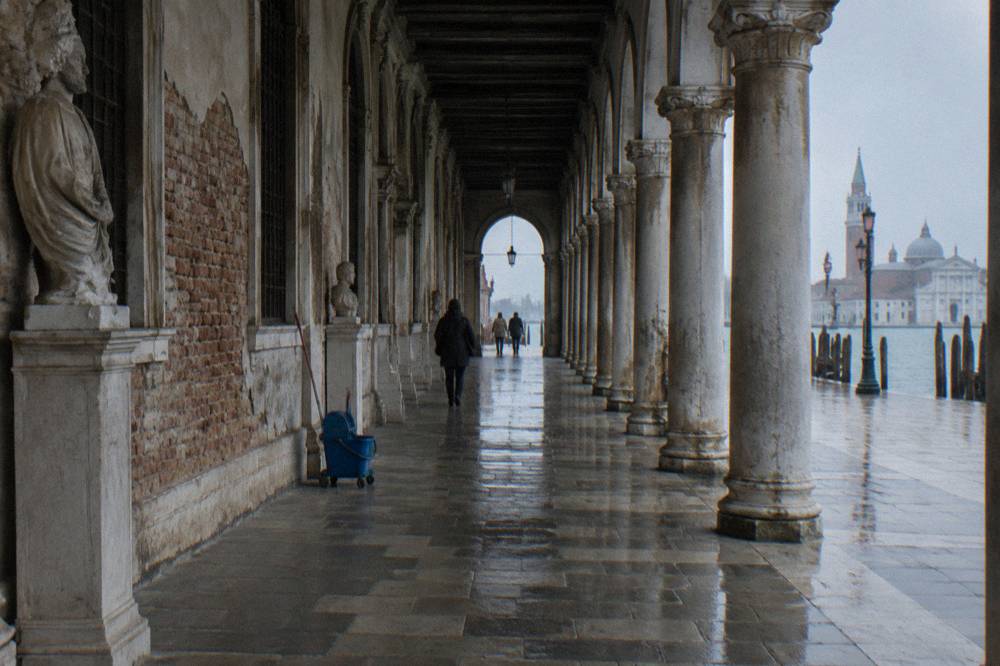
The architecture rewards a slow look. The Procuratie Vecchie on the north side and the Procuratie Nuove on the south were the offices and residences of the procurators of St Mark, the second-highest officials of the old Republic, and the difference between the two ranges tells you the whole story of Venetian building: the older, rougher arcade against the later, more classical one, with Sansovino's Library filling the west end of the Piazetta. The Biblioteca Marciana's facade alone, with its sculptural decoration, is a museum you walk past for free.
If you want the square explained rather than just admired, a free walking tour is the cheapest way to get it, and the guides who run them are locals working on a pay what you want basis. Three options stand out for this ground. The Rialto And Secret Spots Walk, run by Lucia of Free Walk in Venice on GuruWalk, is rated 4.92 out of 5 across 366 GuruWalk reviews and meets at Campo San Polo, a short walk from the Rialto end of the district. The Heart Of Venice tour, run by Venicemania on freetour.com, is rated 8.9 out of 10 across 2,142 freetour.com reviews and meets at the Gallerie dell'Accademia in Dorsoduro. The Understanding Venice walk, run by Scandic Tours on GuruWalk, is rated 4.35 out of 5 across 49 GuruWalk reviews and meets at Campiello de la Chiesa in San Marco itself.
Each of these runs on the same principle: reserve a place for free, walk, and pay the guide what you think the walk was worth at the end. Nothing is charged up front. Recent reviews of the Heart Of Venice walk on the freetour.com listing note that its route skips St Mark's Square and the Basilica, so if the Piazza itself is your priority, check the route description on the freetour.com listing before booking, or pick a walk that starts closer to the square.
How Much Do The Basilica, Campanile And Palace Tickets Cost?
The Basilica costs EUR 10 to enter, the Pala d'Oro EUR 10, the museum, Loggia dei Cavalli and terrace EUR 10, the Campanile EUR 15, and the Doge's Palace comes as part of the St Mark's Square Museums Ticket at EUR 35, or EUR 30 if bought online at least 30 days ahead. Every figure is a separate ticket.
The pricing structure looks confusing at first because five different doors surround one square, but it resolves into a simple pattern: each attraction prices itself, and only the Doge's Palace comes bundled. The Basilica's Procuratoria sets the EUR 10 nave entry, with the Pala d'Oro, the spectacular gold altarpiece, as a separate EUR 10, and the museum with the original bronze horses and the terrace view over the Piazza as another EUR 10. The full ticket covering the Basilica's parts is EUR 30. The Campanile, run separately, charges EUR 15 for the lift to the top.
| Attraction | Price | Notes |
|---|---|---|
| Basilica di San Marco, nave entry | EUR 10 | Own tariff, set by the Procuratoria |
| Pala d'Oro | EUR 10 | Separate ticket, inside the Basilica |
| Basilica museum, Loggia dei Cavalli, terrace | EUR 10 | EUR 14 alone only when the Basilica is closed for services |
| Basilica full ticket | EUR 30 | All Basilica parts combined |
| Campanile | EUR 15 | Lift to the bell tower platform |
| St Mark's Square Museums Ticket | EUR 35 standard, EUR 30 online at least 30 days ahead | Covers Doge's Palace and the combined civic museums |
The Doge's Palace deserves a pause, because it is the one ticket with a real discount attached. The standard St Mark's Square Museums Ticket is EUR 35, but bought online at least 30 days ahead it drops to EUR 30. That ticket is the only way into the palace itinerary that includes the interior crossing of the Bridge of Sighs, the enclosed passage over the canal that led prisoners from the courts to the cells.
One more cost sits outside all of these. The Basilica is a working church, and like other churches in Venice it has its own entry rules and dress expectations, so shoulders and knees need covering. There is no free-entry scheme at the Basilica that applies to visitors, and the civic museums have no first-Sunday free days for tourists: the Musei in Festa free days are for residents of the Metropolitan City of Venice. Planning around a free day that does not exist for you is the most common mistake visitors make with this square.
Which Free Walking Tours Cover The San Marco Area?
Several pay what you want walks cover or start near the San Marco district. The Rialto And Secret Spots Walk meets at Campo San Polo, The Original Free Walking Tour meets at Campo Santi Apostoli in Cannaregio, and the Historic Centre Walk With Annie meets at Teatro Goldoni, inside San Marco itself. All run in English and all are free to book. One of the free walking routes passes through here: Historic Centre Walk With Annie.
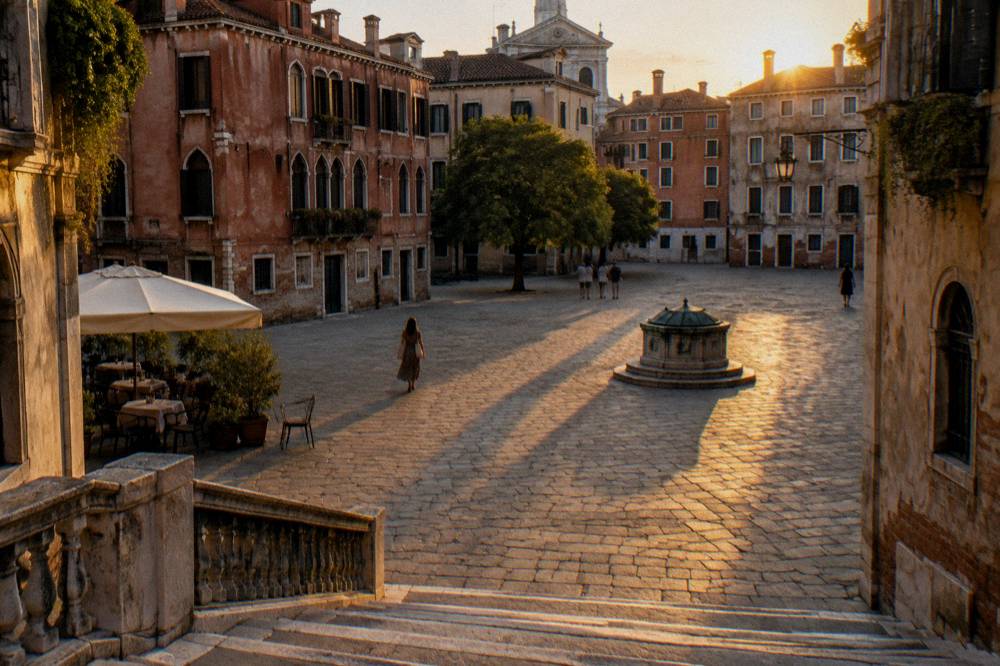
The walk closest to this square in spirit is the Historic Centre Walk With Annie, run by guide Annie on GuruWalk, rated 4.7 out of 5 across 73 GuruWalk reviews, lasting 1 hour 30 minutes and meeting at Teatro Goldoni, which stands just off the Grand Canal a few minutes' walk from the Piazza. Because it meets inside the San Marco district, it is the natural choice if you want a guided introduction to the historic centre without a long walk to the meeting point. The rest of the planning pages sit on Free Things To Do In Venice.
The Rialto And Secret Spots Walk takes the other approach. Run by Lucia of Free Walk in Venice on GuruWalk, rated 4.92 out of 5 across 366 GuruWalk reviews and lasting 2 hours, it meets at Campo San Polo and works through the San Polo and Rialto side of the historic centre, the commercial heart of the old Republic, before the crowds of the Piazza. The Rialto And Secret Spots Walk is the featured walk on this site for this area, and it is the one to pick if you want the market-and-merchants story of Venice rather than the imperial one.
The Original Free Walking Tour, run by Simona on GuruWalk, rated 4.88 out of 5 across 325 GuruWalk reviews and lasting 2 hours, meets at Campo Santi Apostoli in Cannaregio, on the northern edge of the historic centre. From there it works toward the centre of the city, which makes it a good pairing with a morning in the Piazza: walk the tour first, arrive at the square with context, and spend the afternoon on the paid interiors you care about most.
A note on language. Most of the walks listed on this site run in English, but a handful run in Spanish only, including the Panoramic San Marco and San Marco District walks that also meet in the Dorsoduro area. If you speak Spanish, those are additional options for this ground; if not, the English walks above cover the same territory with strong ratings and large review pools behind them.
| Free walking tour | Platform | Rating and reviews | Duration | Meets at |
|---|---|---|---|---|
| Rialto And Secret Spots Walk | GuruWalk | 4.92 out of 5 across 366 reviews | 2 hours | Campo San Polo |
| The Original Free Walking Tour | GuruWalk | 4.88 out of 5 across 325 reviews | 2 hours | Campo Santi Apostoli |
| Historic Centre Walk With Annie | GuruWalk | 4.7 out of 5 across 73 reviews | 1 hour 30 minutes | Teatro Goldoni |
When Is The Best Time To Visit St Mark's Square?
Early morning, before nine, and late evening, after the day crowds leave, are the best times to see St Mark's Square. The light is better, the square is nearly empty, and nothing about the free experience changes with the hour. The paid attractions run on their own schedules, so check opening times on each operator's page before planning a full circuit.
The square's rhythm is driven by the day-tripper tide. Through the middle of the day, the Piazza carries a density of people that makes photography and even comfortable walking difficult, and the queues for the Basilica and Campanile stretch across the paving. Before eight in the morning the same square is almost deserted, the cafes are setting out chairs that most visitors will never sit in, and the facades are lit at an angle that brings out the relief work. After ten at night the arcades are lit from within and the square empties again.
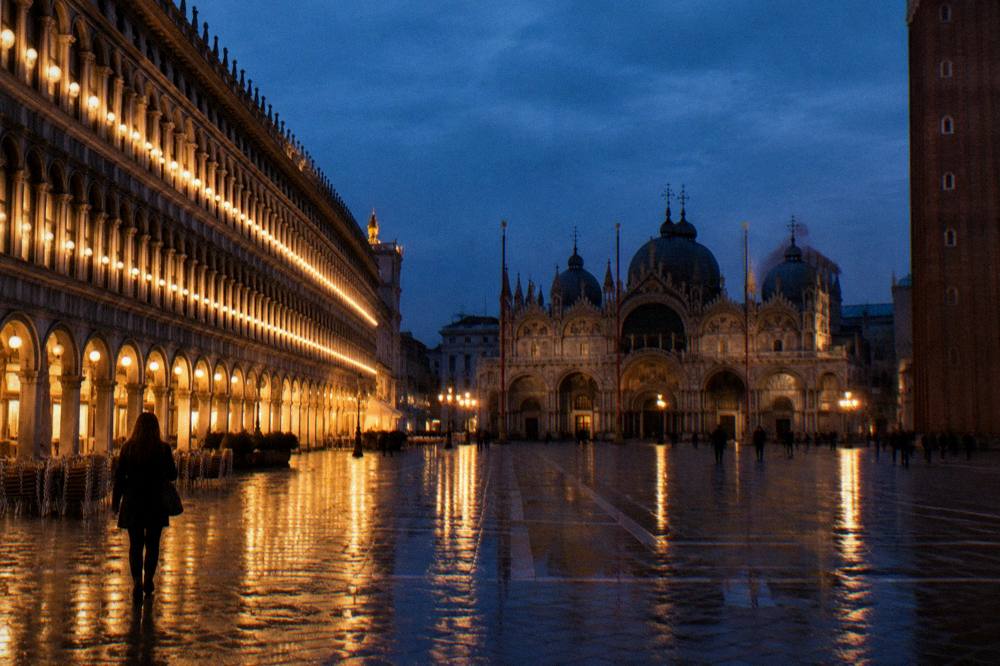
There is a seasonal dimension too, and it is one that surprises visitors who arrive in winter. St Mark's Square is the lowest point in Venice and the first place to flood when the tide rises. Acqua alta season runs broadly from October to March, with the peak of events in November and December, and the square can start taking on water at tides well below the level at which the MOSE barriers are raised. When that happens the city lays out raised walkways, and the Piazza briefly becomes a shallow reflecting pool, which is either a ruined visit or the most photogenic hour of your trip depending on your point of view. The city's tide centre publishes forecasts and alerts, and the official guidance on acqua alta is worth reading before a winter trip.
The access fee question deserves its own paragraph, because it gets confused with attraction tickets. The Venice access fee is a charge for entering the historic centre on set days, not a charge for the square. The 2026 trial ran on 60 non-consecutive days between 3 April and 26 July 2026, from 08:30 to 16:00, at EUR 5 paid by the fourth-to-last day before the visit or EUR 10 in the last four days, and it is not charged now that the season has ended. Overnight guests in accommodation inside the Comune were exempt but had to register. No official 2027 dates or amounts exist, so plan on the basis of the current position and check the official portal, whose frequently asked questions page carries the operative rules, before you travel. The city's own planning guidance, including its entry fee explainer, is the reliable source here.
What Else Is Free Within Walking Distance Of St Mark's Square?
The streets and campi of the San Marco, Castello and Dorsoduro districts around the square are free to wander, the Grand Canal bridges cost nothing to cross, and the waterfront walk from the Piazetta is one of the best free views in the city. The paid items nearby are the museums and the vaporetto, which is not free for visitors.
Walk out of the Piazza's west end and the city changes character within two minutes. The maze of alleys behind the Procuratie, the Frezzeria and the streets toward Campo Santo Stefano, is where the tour groups thin out and ordinary Venice resumes, and all of it is free ground. Cross the Grand Canal and the Dorsoduro side opens up, with the Accademia bridge giving one of the classic views down the canal toward the Basilica of Santa Maria della Salute. For a fuller rundown of viewpoints that cost nothing, the free views in Venice guide lists the free ones.
Two nearby landmarks need a careful distinction. The Doge's Palace exterior, its pink-and-white Gothic facade reflected in the canal, is free to walk past and photograph from the waterfront on the Riva degli Schiavoni side. The interior, including the Bridge of Sighs crossing, needs the museums ticket described above. The same split applies to the Basilica: the exterior mosaics and the horses' loggia are free to study from the Piazza for as long as you like, while the interior and its treasures are behind the EUR 10 tickets. If you are weighing up the palace specifically, the Doge's Palace guide breaks down the ticket options in detail, and the St Mark's Basilica guide does the same for the Basilica's tariff.
Getting around the district is the one place where free runs out. The vaporetto is not free for visitors: a 75-minute single ticket is EUR 9.50, a 24-hour pass EUR 25, 48 hours EUR 35, 72 hours EUR 45, and 7 days EUR 65. On the water, the only free experience is looking at it. The practical consequence is that the San Marco area is best explored on foot, and everything described in this guide is within a 20-minute walk of the Piazza.
If your days in the city extend beyond the square, the lagoon islands are the classic free extension: Murano, Burano and Torcello cost nothing to walk around, though their museums, the Torcello cathedral and the boat fares to reach them are paid. The Murano guide and its Burano counterpart cover what is free on each island and what is not.
Those three walks, the 3-Hour Hidden Venice Walk, the Overlooked Highlights Walk and the Hidden Secrets And Curiosities Walk, all run on GuruWalk with English guiding and pay what you want pricing, and they suit a second or third day in the city once the Piazza is done. The 3-Hour Hidden Venice Walk is rated 4.76 out of 5 across 1,911 GuruWalk reviews and meets at Campo San Geremia; the Overlooked Highlights Walk is rated 4.84 out of 5 across 1,668 GuruWalk reviews and meets at Campo Sant'Agnese; the Hidden Secrets And Curiosities Walk is rated 4.89 out of 5 across 1,189 GuruWalk reviews and meets at Campo della Maddalena. All three are bookable without paying anything up front.
Common Questions About St Mark's Square
Is St Mark's Square Free To Visit?
Yes. The square, the Piazetta, the arcades and all the exterior architecture are free to enter at any hour. The paid attractions are the Basilica at EUR 10, the Pala d'Oro at EUR 10, the museum and terrace at EUR 10, the Campanile at EUR 15, and the Doge's Palace as part of the EUR 35 St Mark's Square Museums Ticket, or EUR 30 bought online at least 30 days ahead.
How Much Does It Cost To Go Up The Campanile In St Mark's Square?
The Campanile costs EUR 15 for the lift to the viewing platform. It is a separate ticket from the Basilica and from the Doge's Palace, and none of the other tickets around the square includes it.
Can You See St Mark's Basilica Without Paying?
You can see the mosaic facade, the horses' loggia and the whole exterior from the Piazza without paying anything, at any hour. Entering the nave costs EUR 10, with the Pala d'Oro and the museum and terrace as separate EUR 10 tickets each, or EUR 30 as a full ticket.
Do You Have To Pay The Venice Access Fee To Visit St Mark's Square?
Not currently. The 2026 access fee trial ran on 60 days between 3 April and 26 July 2026, from 08:30 to 16:00, and it has ended. It was EUR 5 paid by the fourth-to-last day before the visit or EUR 10 in the last four days, charged for entering the historic centre rather than for the square itself. No official 2027 dates or amounts have been published, so check the official portal before you travel.
Are There Free Walking Tours Of The St Mark's Area?
Yes. The Historic Centre Walk With Annie meets at Teatro Goldoni in San Marco, the Rialto And Secret Spots Walk meets at Campo San Polo, and The Original Free Walking Tour meets at Campo Santi Apostoli. All three run in English on a pay what you want basis through GuruWalk, and reserving a place costs nothing.
When Does St Mark's Square Flood?
Acqua alta season runs broadly from October to March, with the peak of flooding events in November and December. The square is the lowest point in Venice and can start taking on water at tides below the level at which the MOSE barriers are raised. The city's tide centre publishes forecasts and alerts, and raised walkways are deployed when needed.